

Table of Contents
Toggle
Part 1:Introduction to Swiss CNC Machining
Table of Contents
ToggleSwiss CNC machining is a specialized process known for its ability to produce small, intricate parts with high precision and tight tolerances. Originating from the watchmaking industry in Switzerland, this machining method has evolved significantly, becoming essential in various industries, including automotive, medical, aerospace, and more.
Part 2:Machining Process
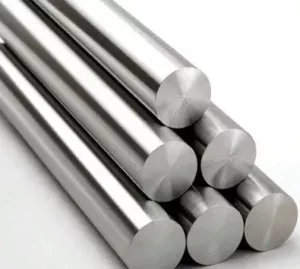
- Main Spindle Turning: In Swiss CNC machining, the main spindle holds the bar stock, which moves axially through a guide bushing. This setup allows for precise turning operations, especially on long and slender parts. By supporting the workpiece close to the cutting tool, Swiss lathes minimize deflection and maintain tight tolerances, ideal for creating components like engine parts and fuel injectors.
- Sub-Spindle Turning: Swiss CNC machines often include a sub-spindle, which allows for additional machining operations on the reverse side of the workpiece. This feature is particularly useful in Swiss turning machine shops for completing complex parts in a single setup, enhancing efficiency and reducing cycle times.
- Live Tooling Milling: Live tooling capabilities enable Swiss CNC machines to perform milling operations, such as slotting or cross-drilling, while the main spindle continues to rotate. This simultaneous operation enhances the machine’s versatility, allowing it to produce complex geometries without the need for additional setups.
- Y-Axis Milling: Some advanced Swiss CNC machines are equipped with a Y-axis, providing additional flexibility for off-center milling operations. This feature allows machinists to create intricate parts with multiple features, improving the machine’s overall capability.
- Peck Drilling Cycle: For deep hole drilling, Swiss CNC lathes utilize a peck drilling cycle, which repeatedly retracts the drill bit to clear chips and reduce heat buildup. This technique is crucial for maintaining accuracy and prolonging tool life when creating deep, precise holes in components.
- Deep Hole Drilling: Deep hole drilling is a common application in Swiss screw machining, especially for industries that require long, narrow parts with precise internal dimensions. The guide bushing system of Swiss machines ensures stability and minimizes deflection during these operations.
Custom CNC Machining For Your Industries
We provide custom solutions to all our customers and offer free consulting or samples that you can take advantage of.
Part 3:Machine Tool Architecture
1. Slant Bed Design
-
- Linear Guide Ways: Swiss CNC machines often feature slant bed designs with linear guide ways that enhance rigidity and accuracy during machining operations. These guide ways help maintain precise positioning and reduce vibration, essential for high-precision turning and milling.
- Hydraulic Clamping System: The use of hydraulic clamping systems in Swiss turning machines ensures the workpiece is securely held in place, allowing for consistent machining performance. This setup is especially important for high-volume production runs where repeatability is critical.
2. Vertical Machining Center
- Twin Spindle VMC: In some Swiss CNC applications, vertical machining centers with twin spindles are used to increase productivity by allowing simultaneous machining of different parts or sides of a part. This setup is particularly advantageous in Swiss turning machine shops focused on high-precision components.
- High-Speed Spindle Head: High-speed spindles are essential for achieving fine surface finishes and reducing cycle times. They are widely used in Swiss CNC machining for operations that require high material removal rates and smooth surface finishes.


Part 4:Cutting Tools
1. Live Tooling Holders
- ER Collet Holders: ER collet holders are commonly used in Swiss CNC machines to secure live tooling, providing a stable and precise grip on the tool, which is crucial for maintaining accuracy during complex machining operations.
- Hydraulic Tool Holders: Hydraulic tool holders offer superior clamping force and vibration dampening, which are essential for high-precision machining tasks performed on Swiss CNC machines. This setup helps achieve tighter tolerances and better surface finishes.
2. Milling Cutters
-
- High-Speed Steel Cutters: These cutters are often used in Swiss CNC machining for their sharp cutting edges and ability to handle a variety of materials, including metals and plastics. They are particularly effective in operations requiring detailed and delicate cuts.
- Carbide-Tipped Cutters: Known for their durability and wear resistance, carbide-tipped cutters are ideal for machining harder materials. In Swiss screw machining, these cutters are frequently used to produce parts that require high precision and surface quality.
3. Drill Bits
- Twist Drill Bits: Twist drill bits are versatile tools used in Swiss CNC machining for general-purpose drilling. Their design allows for efficient chip removal, reducing the risk of overheating and tool wear.
- Gun Drill Bits: These are specialized drill bits designed for deep hole drilling. In Swiss CNC machines, gun drill bits are used to create long, precise holes with excellent straightness and minimal deflection.
Part 5:Materials Machining
1. Stainless Steel Machining
- 416 Stainless Steel Properties: 416 stainless steel is known for its machinability and is often used in Swiss CNC machining for producing components that require good mechanical properties and corrosion resistance.
- 440C Stainless Steel Properties: This stainless steel grade offers high hardness and wear resistance, making it suitable for applications in Swiss turning machine shops where durability is critical.
2. Titanium Alloy Machining
- Ti-6Al-4V Properties: Ti-6Al-4V is a popular titanium alloy in Swiss CNC machining due to its excellent strength-to-weight ratio and corrosion resistance. It is widely used in aerospace and medical industries for components that demand high performance and reliability.
- Ti-5Al-2.5Sn Properties: This titanium alloy is known for its high-temperature stability and is often used in applications requiring resistance to extreme conditions. Swiss CNC machining is ideal for working with this material, providing the precision needed for complex aerospace components.
3. Aluminum Alloy Machining
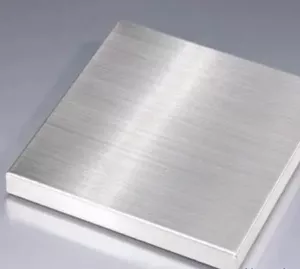
- 6061 Aluminum Properties: 6061 aluminum is a versatile alloy with good machinability and corrosion resistance, commonly used in Swiss CNC machining for automotive and aerospace components.
- 7075 Aluminum Properties: Known for its high strength, 7075 aluminum is often machined in Swiss CNC machines to produce high-stress parts such as gears and shafts.
Part 6:Programming and Control
1. CAM Software
- CATIA CAM: CATIA CAM software is widely used in Swiss CNC machining for its ability to handle complex part designs and simulate machining operations, ensuring accuracy and efficiency.
- Mastercam X9: Mastercam X9 offers advanced toolpath generation capabilities, making it a preferred choice for programming Swiss CNC machines, especially for intricate components that require precise control.
2. G-Code Programming
- G-Code Syntax: Understanding G-code is essential for operating Swiss CNC machines. This programming language controls the machine’s movements and functions, allowing operators to create complex parts with high precision.
- G-Code Examples: Common G-code commands used in Swiss CNC machining include those for turning, milling, drilling, and other operations, each carefully tailored to achieve the desired part geometry and surface finish.
3. CNC Control Systems
- Fanuc CNC Controls: Fanuc controls are widely used in Swiss CNC machining for their reliability and ease of use, providing operators with the tools needed to program and monitor complex machining operations.
- Siemens Sinumerik Controls: Known for their precision and advanced automation features, Siemens Sinumerik controls are ideal for Swiss CNC machines that require high levels of accuracy and control.
Part 7:Applications
1. Aerospace Industry
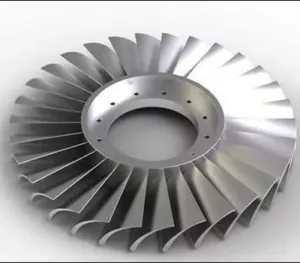
- Aircraft Engine Components: Swiss CNC machining is used to produce high-precision components for aircraft engines, such as turbine blades and fuel nozzles. The ability to machine complex shapes and maintain tight tolerances is crucial for ensuring the safety and efficiency of these parts.
- Satellite Component Machining: The aerospace industry relies on Swiss CNC machining for manufacturing satellite components that require precise dimensions and minimal weight.
2. Medical Device Manufacturing
- Implantable Device Machining: Swiss CNC machining is ideal for producing implantable medical devices, such as dental implants and prosthetics, which require high precision and excellent surface finishes to ensure biocompatibility and patient safety.
- Surgical Instrument Machining: The medical industry uses Swiss CNC machines to create surgical instruments that demand exact tolerances and smooth surfaces, enhancing their functionality and longevity.
3. Automotive Industry
- Transmission Component Machining: Swiss CNC machining is employed extensively in the automotive industry for manufacturing transmission components such as gears, shafts, and connectors. These parts demand high precision and durability to ensure the smooth operation of automotive systems. The ability of Swiss turning machines to handle complex geometries and maintain tight tolerances makes them ideal for producing these critical components. By utilizing high-efficiency Swiss CNC lathes, manufacturers can achieve consistent quality and performance in high-volume production environments.
- Engine Component Machining: Swiss CNC machines are also used to produce engine components, including valves, camshafts, and pistons, which require exact tolerances and high surface finish quality. The automotive industry relies on the precision and efficiency of Swiss turning machines to enhance the overall performance and reliability of engine systems. The ability to perform multiple machining operations in a single setup reduces cycle times and increases production throughput, making Swiss screw machining a cost-effective solution for automotive manufacturing.
Part 8:Challenges and Limitations
1. Tolerance Control
- GD&T Tolerancing: Geometric Dimensioning and Tolerancing (GD&T) is crucial in Swiss CNC machining to ensure that parts meet precise dimensional requirements. The ability to maintain tight tolerances, often down to microns, is essential for producing components that fit and function correctly in high-performance applications. Swiss turning machines are equipped with advanced control systems that allow for precise adjustments and real-time monitoring to achieve these exact specifications.
- Tolerance Stacking Analysis: Managing tolerance stacking is a significant challenge in Swiss CNC machining, especially when producing parts with multiple features that must fit together perfectly. The analysis involves understanding how individual tolerances combine and affect the final assembly. Swiss CNC machines minimize these issues by allowing multiple operations to be performed in a single setup, reducing the accumulation of tolerance errors.
2. Material Variability
- Material Property Variations: Different materials exhibit varying properties such as hardness, ductility, and thermal expansion, which can impact the machining process. Swiss CNC machining must account for these variations to maintain precision and avoid defects. Advanced Swiss turning machines utilize adaptive control systems and specialized tooling to adjust cutting parameters in real time, ensuring consistent results across different materials.
- Material Defect Analysis: Identifying and managing material defects is another critical aspect of Swiss CNC machining. Defects such as inclusions, voids, or inconsistencies can affect the quality and performance of machined parts. Swiss CNC machines are equipped with inspection systems and sensors that detect these defects during the machining process, allowing for immediate corrective actions and reducing waste.
3. Coolant Management
-
- Coolant System Design: Effective coolant management is essential in Swiss CNC machining to maintain tool life, prevent overheating, and ensure a high-quality surface finish. The design of coolant systems in Swiss turning machines must accommodate high-pressure delivery to clear chips and cool the cutting area efficiently. Proper coolant flow and filtration systems are crucial for achieving optimal machining performance and reducing downtime.
- Coolant Fluid Properties: The choice of coolant fluid can significantly affect the machining process, especially in terms of lubrication, cooling efficiency, and compatibility with different materials. Swiss CNC machines often use synthetic or semi-synthetic coolants that provide excellent lubrication and thermal stability, enhancing the precision and speed of the machining operations. Selecting the right coolant fluid helps prevent corrosion, reduce tool wear, and improve overall part quality.
Part 9: Why Choose AstroCNC for Swiss CNC Machining?
At AstroCNC, we specialize in high-precision Swiss CNC machining services tailored to meet the diverse needs of various industries, including automotive, aerospace, medical, and more. Our state-of-the-art Swiss CNC machines and experienced machinists enable us to produce complex parts with tight tolerances and exceptional surface finishes. Whether you need components for engine systems, surgical instruments, or aircraft engines, AstroCNC has the expertise and technology to deliver high-quality parts that meet the most demanding specifications.
By partnering with AstroCNC, you benefit from:
- Advanced Machining Capabilities: Our facility is equipped with the latest Swiss CNC lathes and turning machines capable of handling a wide range of materials and complex geometries. We use cutting-edge CAM software and CNC control systems to ensure precision and efficiency in every operation.
- Expertise in Precision Manufacturing: Our team of skilled machinists and engineers has extensive experience in Swiss CNC machining, enabling us to tackle challenging projects and deliver reliable solutions for high-precision applications.
- Commitment to Quality and Innovation: At AstroCNC, quality is at the forefront of everything we do. We employ rigorous quality control measures, including GD&T tolerancing and real-time inspection, to ensure every part meets or exceeds your expectations.
- Comprehensive Service and Support: From initial design consultation to final delivery, AstroCNC provides end-to-end support, ensuring a seamless experience and on-time production for your most critical components.
Choose AstroCNC for your Swiss CNC machining needs and experience the difference in quality, precision, and service. Contact us today to learn more about how we can help you achieve your manufacturing goals.
Leave A Comment