
Table of Contents
Toggle
Fundamentals of CNC Machining for Medical Applications
Table of Contents
ToggleCNC machining involves the use of computerized controls to operate machinery that cuts, grinds, and shapes materials into precise dimensions. This technology is integral to medical manufacturing due to its ability to handle complex designs and maintain tight tolerances necessary for medical devices like implants, surgical instruments, and diagnostic equipment.
Part 1:Medical Device Manufacturing with CNC Machining
1. Implantable Devices
CNC machining is crucial for creating various implantable devices, including:
- Hip Replacement Implants: CNC machines produce hip implants from materials like titanium and cobalt-chrome alloys, which offer strength, corrosion resistance, and biocompatibility. These implants require precision machining to fit perfectly within a patient’s anatomy and ensure long-term functionality.
- Dental Implants: The production of dental implants involves CNC machining to achieve the precise geometries needed for a secure fit and optimal integration with bone. Advanced CAD/CAM software facilitates the customization of implants to match patient-specific anatomical requirements.
2. Non-Implantable Devices
CNC machining also supports the production of non-implantable medical devices:
- Surgical Instruments: From scalpels and forceps to biopsy tubes, CNC machining enables the manufacture of high-grade surgical instruments with impeccable precision. These instruments must meet stringent standards for safety, ease of sterilization, and performance.
- Medical Furniture and Equipment: Components for hospital beds, operating tables, and diagnostic equipment housings are often manufactured using CNC machining due to the method’s ability to handle various materials and create robust, durable parts.

medical probe

peek material cranial repair

dental implantation
Part 2:CNC Machining Processes for Medical Device Production
1. Material Selection
Choosing the right material is critical in medical CNC machining. Common materials include:
- Metals: Titanium (such as Ti 6Al-4V), stainless steel (like 316L), cobalt-chrome alloys, and aluminum are commonly used for their strength, durability, and biocompatibility. These materials are suitable for both implantable and non-implantable medical devices due to their excellent corrosion resistance and mechanical properties.
- Polymers: Plastics like PEEK (Polyether Ether Ketone), UHMWPE (Ultra-High-Molecular-Weight Polyethylene), and PTFE (Teflon) are used for components that require chemical resistance, low friction, and sterilization compatibility. These materials are often employed in surgical instruments, orthopedic supports, and medical housings.
2. Tooling and Fixturing
Precision in medical CNC machining is achieved through specialized tooling and fixturing:
- Custom Tooling Design: The creation of bespoke tools ensures that each medical part meets the precise specifications needed for optimal performance and patient safety.
- Workholding Solutions: Effective workholding solutions are essential to maintain the accuracy and repeatability of the machining process, especially for complex geometries and delicate materials.

invisible dental prosthesis machine

tooth grinding tool

dental implant screw
Part 3:Applications of CNC Machining in Medical Devices
1. Orthopedic Implants
Orthopedic implants, such as custom hip and knee replacements, are extensively manufactured using CNC machining. The technology allows for:
- Patient-Specific Design: Advanced CAD software enables the customization of implants to match individual patient anatomy, improving fit and function.
- Precision Machining: CNC machining ensures that components meet the exacting standards required for orthopedic implants, which must withstand significant physical stress and ensure biocompatibility.
2. Dental Implants
CNC machining is vital in producing dental implants and abutments, offering:
- Customization: The ability to create patient-specific implants and abutments that fit precisely within the patient’s oral cavity.
- Digital Workflow Integration: CNC machining integrates seamlessly with digital dentistry workflows, allowing for efficient production of custom components.
3. Surgical Instruments
The manufacturing of surgical instruments benefits greatly from CNC machining due to its ability to:
- Produce Complex Geometries: CNC machining can create intricate designs that are difficult or impossible to achieve through manual processes.
- Maintain High Precision: Instruments require exact dimensions and tolerances to function correctly and safely in surgical settings.
Part 4:Design and Prototyping for Medical Devices
1. CAD Design for CNC Machining
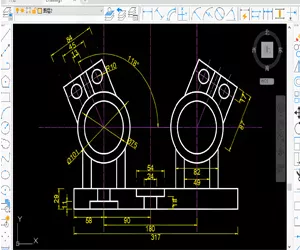
Using CAD (Computer-Aided Design) software, designers can create detailed models that guide CNC machines in manufacturing:
- Parametric Modeling: Allows for modifications in design parameters, making it easier to create multiple versions of a product.
- Design for Manufacturability: Ensures that designs are optimized for CNC machining, reducing production time and cost.
2. Prototyping and Testing
Rapid prototyping using CNC machining allows manufacturers to quickly produce and test prototypes:
- 3D Printing vs. CNC Machining: While 3D printing is useful for some prototypes, CNC machining provides the necessary precision for functional testing and final production.
- Biocompatibility Testing: Ensures that materials and designs meet all necessary safety and performance standards before entering mass production.

Part 5:Manufacturing and Quality Control in CNC Machining
1. Advanced CNC Machining Centers
The use of advanced CNC machining centers, such as 5-axis and multi-tasking machines, enhances the production capabilities for medical devices by:
- Enabling Complex Part Machining: Allows for the machining of complex parts in a single setup, reducing production time and increasing accuracy.
- Improving Surface Finish and Tolerances: Ensures that all parts meet the stringent quality requirements of the medical industry.
2. Quality Control and Inspection
Robust quality control measures are essential in medical CNC machining:
- Dimensional Inspection: Using Coordinate Measuring Machines (CMMs) to verify that parts meet design specifications.
- Surface Finish Inspection: Ensures that the surface quality of machined parts meets the required standards for medical use.
Part 6: Regulations and Standards in Medical CNC Machining
Compliance with FDA Regulations and ISO Standards
Adherence to regulatory standards, such as FDA guidelines and ISO 13485 certification, is crucial for medical device manufacturing. These regulations ensure that all products are safe, effective, and reliable.

Part 7:Challenges and Limitations in Medical CNC Machining
1. Material Properties and Behavior
Understanding the properties of different materials and how they interact with machining processes is vital. For example, the anisotropy of materials like titanium can affect machining performance, requiring specialized techniques to achieve the desired outcomes.
2. Machining Complex Geometries
The ability to machine complex geometries, such as freeform surfaces and micro-scale components, is a significant advantage of CNC machining. However, it also presents challenges that require advanced knowledge and technology to overcome.
Conclusion
CNC machining is indispensable in the medical industry, offering the precision, customization, and efficiency needed to produce high-quality medical devices. Astrobrand is committed to leveraging the latest CNC technologies to provide medical machining services that meet the highest standards of quality and safety. By investing in advanced CNC solutions, Astrobrand ensures that every medical device we manufacture not only meets but exceeds the expectations of healthcare professionals and patients alike.
Custom CNC Machining For Your Industries
We provide custom solutions to all our customers and offer free consulting or samples that you can take advantage of.
Leave A Comment