

This guide explores everything you need to know about steel for CNC machining, from material properties to applications and machining considerations. Whether you are using a small CNC machine for metal, a desktop CNC machine for metal, or a home CNC machine metal setup, understanding these fundamentals can enhance your machining outcomes. Let’s dive into the world of steel for CNC with AstroCNC, your trusted partner in custom metal CNC solutions.
Table of Contents
Toggle
Part 1: Introduction to Steel For CNC
Table of Contents
ToggleCNC (Computer Numerical Control) machining has revolutionized the manufacturing industry, offering precision, efficiency, and versatility in handling various materials, including steel. Understanding the properties and classifications of steel is essential for optimizing CNC metal cutting, particularly in applications like custom CNC metal cutting, CNC stainless steel projects, and CNC steel cutting.
Part 2:Material Properties of Steel for CNC Machining
When it comes to CNC machining, steel is a preferred material due to its diverse mechanical, thermal, electrical, and chemical properties. These properties significantly influence how steel behaves during CNC metal milling and CNC drilling machine for metal operations.
Mechanical Properties:
Strength:
Yield Strength: Yield strength is the stress at which a material begins to deform plastically. For steel, a higher yield strength indicates better performance during CNC machining as it resists deformation under cutting forces.
Ultimate Tensile Strength: This is the maximum stress that steel can withstand while being stretched or pulled before breaking. Understanding tensile strength is crucial for custom CNC steel applications where durability is key.
Hardness:
Rockwell Hardness and Brinell Hardness(HRC AND HB ): Hardness measures a material’s resistance to deformation. High hardness steels are suitable for CNC steel cutting because they maintain shape under stress, but they may require more robust cutting tools and slower feed rates.
Ductility:
Elongation: This property measures how much steel can stretch before breaking. High ductility in steel is beneficial for custom metal CNC processes where flexibility without fracturing is necessary.
Reduction of Area: This refers to the change in cross-sectional area of steel under stress. It’s an indicator of ductility and toughness, essential for understanding steel’s behavior in CNC metal milling.
Thermal Properties:
Thermal Conductivity: Steel’s ability to conduct heat affects its performance during CNC machining. Higher thermal conductivity helps in dissipating heat away from the cutting zone, reducing tool wear and enhancing surface finish.
Specific Heat Capacity: This property determines how much heat steel can absorb. In CNC metal cutting, steels with higher specific heat capacity require more cooling to avoid overheating.
Thermal Expansion: Understanding thermal expansion is critical when machining steel parts that need tight tolerances. Steel expands when heated, which can affect dimensional accuracy in CNC metal milling and CNC drilling machine for metal operations.
Melting Point: Knowing the melting point of steel is essential in CNC machining, especially when using high-speed cutting and welding techniques.
Electrical Properties:
Electrical Conductivity: While not as critical in most CNC machining processes, electrical conductivity is an important consideration for specialized applications involving electrical components.
Electrical Resistivity: A higher resistivity in steel can lead to increased heat generation during machining, affecting tool life and surface finish. Managing these aspects is crucial for custom CNC metal cutting.
Corrosion Resistance:
General Corrosion Resistance: Different steel grades offer varying resistance to corrosion. In CNC stainless steel applications, selecting the right grade ensures longevity and reduced maintenance.
Passivation: This is a process that enhances the natural corrosion resistance of stainless steel by forming a protective oxide layer. It’s especially important in environments prone to oxidation.
Pitting and Crevice Corrosion Resistance: Understanding these specific types of corrosion is vital when working with stainless steels in CNC machining to avoid localized damage.
Custom CNC Machining For Your Industries
We provide custom solutions to all our customers and offer free consulting or samples that you can take advantage of.
Part 3:Steel Grades and Classifications:
Selecting the right steel grade is fundamental for successful CNC machining. Here are the main classifications:
Carbon Steels:


Low Carbon Steel: Easy to machine and weld, used in applications requiring high ductility and low strength.
Medium Carbon Steel: Offers a good balance of strength and ductility, ideal for automotive and structural applications.
High Carbon Steel: High hardness and strength, suitable for cutting tools and dies in CNC machining.
Austenitic Stainless Steels:


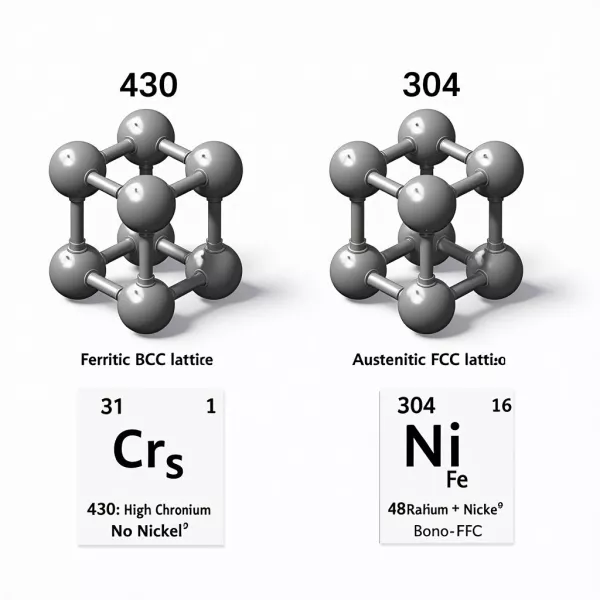
304 Stainless Steel: Known for its excellent corrosion resistance and good formability, making it ideal for a variety of CNC stainless steel applications.
316 Stainless Steel: Offers superior corrosion resistance, especially against chlorides, making it a preferred choice for marine and chemical applications in custom CNC steel projects.
321 Stainless Steel: Contains titanium for enhanced strength and stability at high temperatures, suitable for aerospace and high-temperature CNC machining..
Ferritic Stainless Steels:
430 Stainless Steel: Known for good corrosion resistance and formability, often used in automotive and appliance applications.
446 Stainless Steel: Offers excellent resistance to oxidation and corrosion, ideal for high-temperature environments in CNC machining..
Martensitic Stainless Steels:
420 Stainless Steel: Provides high hardness and good corrosion resistance, commonly used in cutlery and surgical instruments.
440C Stainless Steel: Known for its high hardness and wear resistance, suitable for bearing and tool applications in CNC machining.
Duplex Stainless Steels:
2205 Stainless Steel: Combines high strength with excellent corrosion resistance, ideal for harsh environments in CNC machining.
2507 Stainless Steel: A super duplex steel with enhanced strength and corrosion resistance, used in oil and gas, chemical processing, and marine applications.
Tool Steels:
High Speed Steel (HSS): Known for its ability to withstand high temperatures without losing hardness, making it perfect for CNC metal cutting tools.
Cold Work Tool Steel: Designed for use at room temperature, offering high wear resistance and toughness, ideal for custom CNC steel applications.
Hot Work Tool Steel: Retains strength and hardness at elevated temperatures, used for die-casting and extrusion processes in CNC machining.
Specialty Steels:
Cobalt-based Alloys: Known for their high wear resistance and ability to maintain hardness at elevated temperatures, ideal for high-performance CNC machining applications.
Nickel-based Alloys: Excellent corrosion resistance and high-temperature strength, used in aerospace and marine environments.
Titanium Alloys: Lightweight with high strength-to-weight ratio, commonly used in aerospace and medical applications in custom CNC metal cutting.
Part 4:Applications of Steel in CNC Machining
Steel’s versatility makes it a popular choice for various CNC machining applications:
Aerospace Components: High-strength steels are used in aircraft structures and engines for their durability and resistance to extreme conditions.
Medical Devices: Stainless steels and specialty alloys are favored for their biocompatibility and corrosion resistance.
Food Processing Equipment: Stainless steels are ideal for their hygiene, corrosion resistance, and ease of cleaning.
Automotive Parts: Carbon and alloy steels are commonly used for their strength, durability, and cost-effectiveness in manufacturing components like gears, shafts, and chassis parts.
Architectural Elements: Steel is used in construction for its strength, aesthetic appeal, and corrosion resistance, particularly in structural components and decorative elements
Part 5:Machining Considerations for Steel
When it comes to CNC machining steel, there are several factors to consider to achieve optimal results:
Tool Selection
Carbide Inserts: Carbide tools are ideal for high-speed CNC metal cutting due to their hardness and resistance to wear, particularly in applications involving hardened steels and high-performance alloys.
Ceramic Inserts: Suitable for high-speed CNC machining of hardened steels and alloys, ceramic tools offer excellent wear resistance but are more brittle compared to carbide.
Diamond-coated Tools: Used for CNC metal milling of non-ferrous metals and composites, diamond coatings provide exceptional wear resistance and improved surface finish.
Cutting Parameters:
Spindle Speed: The speed at which the cutting tool rotates can significantly impact tool wear, surface finish, and cutting efficiency. For CNC stainless steel and harder steels, slower spindle speeds with high torque are recommended.
Feed Rate: The rate at which the cutting tool advances into the material affects the cutting forces and the quality of the finished part. Adjusting the feed rate is crucial for achieving desired surface finishes and tool life.
Depth of Cut: This refers to the thickness of the material removed in one pass. For custom CNC metal cutting, the depth of cut should be carefully controlled to avoid excessive tool wear and maintain dimensional accuracy.
Coolant Selection:
Flood Coolant: Ideal for high-speed CNC machining of steels, flood coolant helps in cooling the cutting zone, reducing tool wear, and improving surface finish.
Minimum Quantity Lubrication (MQL): A more sustainable alternative to flood coolant, MQL uses a small amount of lubricant applied directly to the cutting zone, reducing heat generation and improving chip evacuation in CNC metal milling and CNC drilling machine for metal.
Conclusion about Steel For CNC
Selecting the right steel grade and understanding its properties are crucial for achieving optimal results in CNC machining. From small CNC machines for metal to desktop CNC machines for metal, and from custom CNC steel projects to home CNC machine metal setups, mastering the nuances of steel can enhance productivity, quality, and profitability.
At AstroCNC, we offer a range of custom CNC metal cutting solutions tailored to meet your specific needs. Whether you are looking for high-performance CNC stainless steel machining or custom CNC steel services, our expertise ensures precision and excellence in every project. Trust AstroCNC for all your CNC machining needs in 2024 and beyond!
Custom CNC Machining For Your Industries
We provide custom solutions to all our customers and offer free consulting or samples that you can take advantage of.
Leave A Comment