

Table of Contents
Toggle
Part 1: Definition of CNC Machining in Robotics
Table of Contents
ToggleCNC machining refers to the process of using computer-controlled machines to manufacture parts with high precision. In the context of the robotic industry, CNC machining is essential for creating the complex, detailed components that make up robotic systems. From gears and joints to housings and sensor mounts, CNC machining ensures that each part meets exact specifications, which is critical for the performance and reliability of robots.
In robotics, precision is paramount. Robots often perform tasks that require high accuracy, such as assembly, welding, and robotic plasma cutting. CNC machining allows manufacturers to produce components with tight tolerances, ensuring that parts fit together perfectly and function as intended. For example, Fanuc Robo Drill machines are known for their precision in creating small to medium-sized parts used in robotic arms and other robotic systems.
Robotic applications often demand custom solutions to meet specific operational requirements. CNC machining provides the flexibility needed to produce bespoke components tailored to unique designs. This capability is crucial in fields like CNC machine tending and robotic plasma cutting, where standard components may not suffice due to the specialized nature of the tasks involved.
Part 2:Design Considerations for Robotic Components
Robotics Component Design
Complex Geometry Modeling
Robotic components often feature complex geometries that require precise machining. CNC machining allows for the accurate creation of these intricate shapes, which are essential for the functionality and efficiency of robotic systems. Advanced CAD/CAM software facilitates the design and manufacturing of these complex parts, ensuring they meet all operational specifications.
Material Selection for Robotics
Choosing the right material is crucial for the performance and durability of robotic components. Materials must withstand the mechanical stresses and environmental conditions they will face in operation. Metals like aluminum alloys and stainless steel are commonly used for their strength and corrosion resistance. Plastics such as high-temperature plastics and polycarbonate are chosen for their lightweight properties and durability in specific applications.
CNC Machining Design for Robotics
Tool Path Optimization
Optimizing tool paths is essential for efficient CNC machining in robotics. Proper tool path optimization reduces machining time, minimizes tool wear, and improves the surface finish of the machined parts. This is especially important in high-precision applications like CNC milling and CNC turning for robotic components.
Material Removal Strategies
Efficient material removal strategies are critical in CNC machining to ensure high-quality parts and reduce waste. Techniques such as high-speed machining and adaptive clearing are employed to remove material quickly while maintaining the desired surface finish and dimensional accuracy. These strategies are particularly useful in applications like high-speed milling for robotics and CNC drilling.
Custom CNC Machining For Your Industries
We provide custom solutions to all our customers and offer free consulting or samples that you can take advantage of.
Part 3: Materials Used in Robotic CNC Machining
Metals
Aluminum Alloys for Robotics
Aluminum alloys are favored in robotics for their lightweight, high strength, and excellent machinability. They are ideal for components that need to move quickly and efficiently, such as robotic arms and joints. Aluminum’s corrosion resistance also makes it suitable for use in harsh environments, such as those encountered in industrial robotics.
Stainless Steel for Robotic Components
Stainless steel is widely used for robotic components that require high strength, durability, and resistance to corrosion. It is commonly used in robotic shaft turning and other parts that must withstand repeated stress and exposure to various elements.
Plastics
High-Temperature Plastics for Robotics
High-temperature plastics are used in robotic applications where components are exposed to extreme temperatures. These materials maintain their mechanical properties under high heat, making them suitable for parts like motor housings and insulators.
Polycarbonate for Robotic Parts
Polycarbonate is a durable plastic known for its impact resistance and clarity. It is often used in protective covers and other components that require transparency and toughness. In robotics, polycarbonate parts are used for components that need to be lightweight yet strong, such as enclosures and shields.


Part 4:CNC Machining Processes for Robotics
Milling
Robotic Component Milling
CNC milling is a versatile process used to create a wide range of robotic components. Milling machines, such as the Fanuc Robo Drill, are capable of producing parts with complex shapes and fine details, which are essential for the precise movements of robots.
High-Speed Milling for Robotics
High-speed milling is a process that allows for the rapid removal of material, reducing machining time and increasing productivity. This process is particularly useful in robotics for creating lightweight components without sacrificing strength or precision.
Turning
Robotic Shaft Turning
CNC turning is used to produce cylindrical parts, such as shafts and spindles, that are commonly found in robotic systems. High-precision CNC lathes ensure that these parts meet the exact specifications required for smooth and efficient operation.
CNC Turning for Robotic Components
Turning processes are essential for creating components that require rotational symmetry. Multi-axis CNC lathes are often used to produce complex robotic parts with various features in a single setup, enhancing efficiency and accuracy.
Grinding
Robotic Component Grinding
CNC grinding is employed to achieve high surface quality and tight tolerances in robotic components. This process is used for parts that require a fine finish and high precision, such as bearings and gears.
CNC Grinding for Robotics
Grinding machines like the CNC cylindrical grinder are essential for producing high-precision parts used in robotics. Surface grinders are also used to create flat surfaces with excellent surface finish, which is critical for many robotic components.
Part 5:CNC Machines for Robotics Manufacturing
Vertical Machining Centers (VMCs)
High-Speed VMC for Robotics
High-speed vertical machining centers (VMCs) are ideal for producing complex parts with high precision. These machines are equipped with advanced control systems and high-speed spindles, making them perfect for machining intricate robotic components quickly and accurately.
5-Axis VMC for Complex Robotics Parts
5-axis VMCs provide the capability to machine complex parts in a single setup, reducing setup times and increasing precision. These machines are particularly useful for creating parts with complex geometries that are common in robotics.
CNC Lathes
High-Precision CNC Lathe for Robotics
High-precision CNC lathes are essential for machining parts with tight tolerances and intricate details. These machines are commonly used to produce shafts, bushings, and other components critical to the operation of robotic systems.
Multi-Axis CNC Lathe for Robotic Components
Multi-axis CNC lathes allow for the machining of complex parts with multiple features in a single operation. This capability is vital for producing high-quality robotic components efficiently and accurately.
Grinding Machines
CNC Cylindrical Grinder for Robotics
CNC cylindrical grinders are used to produce precision parts with excellent surface finishes. These machines are crucial for creating components that require a high degree of accuracy and smoothness, such as bearings and shafts.
Surface Grinder for Robotic Components
Surface grinders are employed to create flat surfaces with high precision. These machines are often used for finishing operations, ensuring that robotic components meet the required specifications for smooth operation.
Part 6:Robotic Industry Applications
Industrial Robotics
CNC Machined Parts for Industrial Robots
Industrial robots require a wide range of CNC machined parts, from structural components to intricate gears and joints. CNC machining ensures that these parts are manufactured with the precision and consistency needed for reliable operation in demanding industrial environments.
Customized Industrial Robotic Components
Customization is often required in industrial robotics to meet specific operational needs. CNC machining provides the flexibility to produce tailored components that enhance the performance and efficiency of industrial robots.
Service Robotics
CNC Machined Parts for Service Robots
Service robots perform tasks in non-industrial settings, such as healthcare, hospitality, and domestic applications. CNC machining is used to create the various components these robots need, ensuring durability and reliability.
Personalized Service Robotic Components
Personalization is key in service robotics, where robots often interact closely with humans. CNC machining allows for the creation of customized parts that improve the functionality and user experience of service robots.
Aerospace Robotics
CNC Machined Parts for Aerospace Robots
Aerospace robots operate in extreme environments where precision and reliability are crucial. CNC machining is used to produce parts that can withstand the rigors of aerospace applications, ensuring that robots perform flawlessly in space or aviation settings.
High-Precision Aerospace Robotic Components
Components for aerospace robotics require high precision and must meet strict quality standards. CNC machining provides the accuracy needed to produce these components, which are critical for the safety and success of aerospace missions.
Part 7:Software and Simulation for Robotics CNC Machining
CAD/CAM Software
Robotics Component Design Software
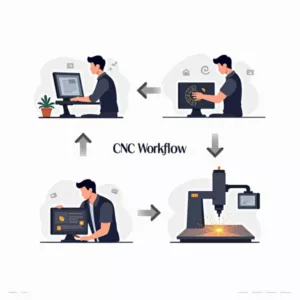
CAD/CAM software is essential for designing robotic components and programming CNC machines. This software enables designers to create detailed models and simulate machining processes, ensuring that parts are manufactured correctly the first time.
CNC Machining Simulation Software
Simulation software allows manufacturers to visualize the machining process and optimize tool paths beforecontinuing…
running the actual machining. This process helps in identifying potential issues and improving the efficiency of machining operations.
G-Code Generation
Optimized G-Code for Robotics CNC Machining
G-Code is the language used to instruct CNC machines on how to perform specific tasks. Optimizing G-Code is crucial for enhancing machining efficiency and accuracy, particularly in the production of robotic components where precision is key. Advanced G-Code optimizations can reduce cycle times and improve the surface finish of machined parts.
G-Code Editing for Custom Robotics Parts
Customizing G-Code allows manufacturers to fine-tune machining processes for specific robotic components. This capability is particularly useful when producing unique or complex parts, ensuring that each component is machined to the exact specifications required.
Part 8:Challenges and Limitations in Robotics CNC Machining
Material Constraints
Material Properties for Robotics
The materials used in robotic components must meet stringent requirements for strength, durability, and weight. For example, components made from aluminum alloys need to be lightweight yet strong enough to handle mechanical stresses. Similarly, stainless steel components must be resistant to corrosion and wear, especially in industrial environments.
Material Selection Challenges
Selecting the right material for robotic components can be challenging due to the diverse operational environments and performance requirements. Materials must not only be strong and durable but also compatible with the specific functions of the robot. This can complicate the material selection process, requiring a careful balance of various factors such as cost, machinability, and performance.
Design Complexity
Complex Geometry Challenges
Robotic components often feature complex geometries that are difficult to machine. This complexity can pose significant challenges in terms of tool accessibility, fixturing, and machining strategies. Overcoming these challenges requires advanced CNC machining techniques and careful planning.
Design for Manufacturability
Designing robotic components with manufacturability in mind is essential for efficient production. This involves optimizing designs to reduce machining complexity, minimize waste, and improve overall production efficiency. By focusing on manufacturability during the design phase, manufacturers can avoid costly redesigns and streamline the production process.
Part 9:Quality Control and Inspection in Robotics CNC Machining
Dimensional Inspection
Precision Measurement for Robotics
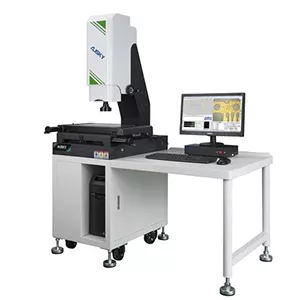
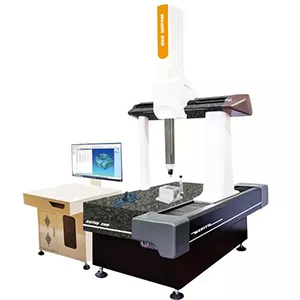
Quality control is crucial in robotics CNC machining to ensure that all components meet the required specifications. Precision measurement techniques, such as Coordinate Measuring Machines (CMMs), are used to verify the dimensions of machined parts. This ensures that each component fits perfectly within the robotic system, enhancing performance and reliability.
Tolerancing for Robotic Components
Tolerancing refers to the allowable variations in a part’s dimensions. In robotics, tight tolerances are often required to ensure that components fit together correctly and function as intended. CNC machining allows manufacturers to achieve these tight tolerances, ensuring the quality and consistency of robotic parts.
Part 10:Integration of Advanced CNC Technologies and Robotics
CNC Robotics: Merging Precision with Automation
The integration of CNC machining and robotics has led to the development of advanced manufacturing systems that combine the precision of CNC machines with the flexibility of robotic automation. For instance, Halter CNC Robotics provides automated loading and unloading solutions for CNC machines, enhancing productivity and reducing manual intervention.
Robotic Arms in CNC Machining
Robotic arms, such as the Tormach ZA6, are increasingly being used in CNC machining to handle repetitive tasks like part loading and tool changes. These robotic arms improve efficiency and accuracy while freeing up human operators to focus on more complex tasks.
Robotic Plasma Cutting
Robotic plasma cutting is a specialized CNC process used to cut metal parts with high precision. This technology is ideal for producing intricate shapes and patterns required in various robotic applications, from structural components to decorative elements.
Part 11:AstroCNC: Your Partner in Robotic CNC Machining
At AstroCNC, we specialize in providing high-precision CNC machining services for the robotic industry. Our state-of-the-art machinery, including high-speed VMCs, multi-axis CNC lathes, and CNC grinding machines, ensures that we can handle any machining challenge. Whether you need custom robotic components, high-precision parts, or specialized materials, AstroCNC has the expertise and technology to meet your needs. Our commitment to quality and innovation makes us a trusted partner in the development and production of advanced robotic systems.
Part 12:Training and Skill Development in CNC Robotics
Fanuc CNC Training and Classes
Training is crucial for operators and engineers working with CNC machines and robotics. Fanuc CNC training provides comprehensive courses that cover everything from basic programming to advanced robotic integration. These classes help professionals develop the skills needed to operate and maintain CNC machines effectively, ensuring optimal performance and productivity.
Developing Expertise in CNC Robotic Arms
As the use of CNC robotic arms becomes more widespread, specialized training programs are emerging to equip operators with the skills needed to work with these advanced tools. Understanding the intricacies of programming and operating robotic arms is essential for maximizing their potential in CNC machining applications.
Custom CNC Machining For Your Industries
We provide custom solutions to all our customers and offer free consulting or samples that you can take advantage of.
Leave A Comment