

Table of Contents
Toggle
Part 1:Overview of PTFE in CNC Machining
Table of Contents
TogglePTFE, or polytetrafluoroethylene, commonly known as Teflon, is a high-performance thermoplastic renowned for its unique properties that make it an excellent choice for CNC machining. It is widely recognized for its exceptional chemical resistance, low friction coefficient, and ability to withstand high temperatures, making it indispensable in various industries. This article aims to delve into the properties, types, machining characteristics, and applications of PTFE in CNC machining, while also highlighting the importance of precise tooling and handling techniques.
Part 2:Properties of PTFE
- Chemical Resistance: PTFE is highly resistant to a wide array of chemicals, including acids, bases, and solvents, which makes it an ideal material for components used in chemical processing industries. This resistance extends the lifespan of parts exposed to harsh environments, thereby reducing maintenance costs and downtime.
- Non-Stick Surface: One of PTFE’s hallmark features is its non-stick quality, attributed to its low surface energy. This characteristic is particularly beneficial in applications requiring easy release properties, such as molds and cooking surfaces, and is invaluable in the food processing and pharmaceutical industries.
- High Temperature Resistance: PTFE maintains its integrity at elevated temperatures, capable of withstanding up to 500°F (260°C) without significant degradation. This thermal stability is essential for applications involving heat, such as seals and gaskets in engines or chemical reactors.
Custom CNC Machining For Your Industries
We provide custom solutions to all our customers and offer free consulting or samples that you can take advantage of.
Part 3:Types of PTFE
- Virgin PTFE: This is the pure form of PTFE, free from fillers. Virgin PTFE is widely used in applications that demand high purity and chemical resistance, making it ideal for the food and medical industries.
- Filled PTFE: Incorporating fillers like glass, carbon, or bronze enhances the mechanical properties of PTFE, improving wear resistance and thermal conductivity. Filled PTFE is often utilized in demanding applications such as bearings and bushings.
- Modified PTFE: This type has been chemically altered to improve certain properties, such as flexibility or wear resistance. Modified PTFE is often used in specialized applications where standard PTFE may not meet performance requirements.
Part 4:Machining Characteristics
- Difficulty Level: Machining PTFE presents unique challenges due to its softness and tendency to deform. Operators must employ precise control over cutting forces and speeds to prevent issues like melting or excessive burring.
- Hardness Scale: PTFE is relatively soft, with a hardness rating significantly lower than many engineering materials. This characteristic necessitates the use of specific tooling and machining strategies to achieve the desired precision and surface finish.
- Machinability Rating: Despite its softness, PTFE is generally rated as easy to machine, provided that appropriate methods and tools are used. Proper tool selection and machining parameters are crucial to prevent thermal issues and ensure optimal results


Part 5:Machining Methods
- Turning: This method involves rotating the PTFE workpiece against a stationary cutting tool. It’s ideal for creating cylindrical parts such as rods and bushings. Careful control of speed and feed rate is essential to minimize deformation.
- Milling: CNC milling can create complex shapes and features in PTFE. Due to its low thermal conductivity, using sharp tools and appropriate cutting speeds is critical to prevent heat buildup.
- Drilling: Drilling PTFE requires specialized drill bits to avoid chip clogging and excessive heat. Techniques such as peck drilling can enhance chip removal and cooling during the process.
Part 6:CNC Machining Considerations
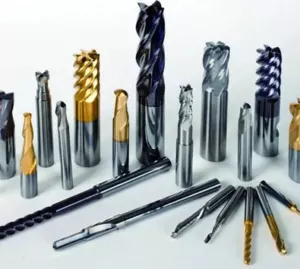
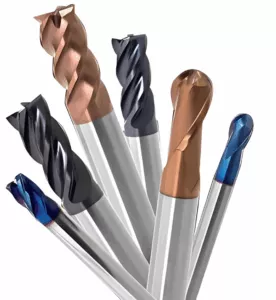
- Tooling Selection: Selecting the right tools is paramount. Tools made from carbide or high-speed steel are preferred, as they provide durability and cleaner cuts. Utilizing PTFE-specific cutting tools can greatly improve machining efficiency.
- PTFE-Specific Cutting Tools: Specialized tools designed for machining PTFE can help achieve better surface finishes and reduce wear. These tools often have unique geometries tailored to minimize thermal and mechanical stresses during cutting.
- Coated Cutting Tools: Applying coatings like titanium nitride can enhance tool performance, offering greater resistance to wear and reducing friction during machining.
Part 7:Workpiece Preparation
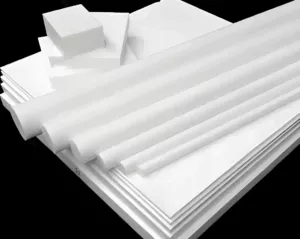
- Material Handling: Proper handling of PTFE sheets and rods is crucial to prevent contamination and physical damage. Ensuring clean surfaces before machining is essential for maintaining quality.
- PTFE Sheet Handling: When dealing with sheets, care must be taken to avoid bending or warping. Utilizing support systems can help maintain the integrity of the sheets during cutting.
- PTFE Rod Handling: For rods, ensuring they are properly secured during machining prevents movement, which could lead to inaccuracies and defects.
Part 8:Workholding Methods
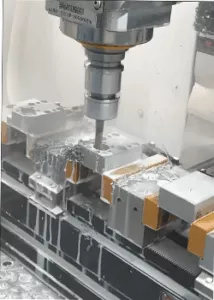
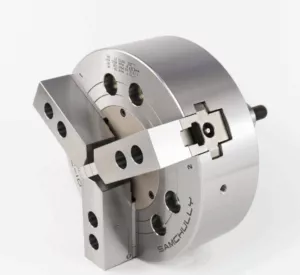
- Vacuum Table Fixturing: This method utilizes vacuum suction to hold PTFE securely in place, reducing the risk of deformation during machining. Vacuum fixturing is particularly useful for flat or thin components.
- Mechanical Clamping: For thicker parts, mechanical clamps can provide the necessary holding force. However, care must be taken to avoid excessive pressure that could deform the material.
Part 9:Machining Challenges
- Chip Formation: The nature of PTFE can lead to chip formation issues, requiring the use of specific chip removal techniques to maintain cleanliness and efficiency. Strategies like using air blasts can help clear chips during the machining process.
- Heat Generation: Managing heat during machining is critical, as excessive heat can cause PTFE to deform or melt. Employing coolants and controlling cutting speeds are effective methods to mitigate heat build-up.
- Heat Build-Up Mitigation: Implementing a cooling system or using air blasts can help maintain appropriate temperatures. Careful planning of the machining parameters also plays a significant role in heat management.
Part 10:Applications of PTFE
- Seals and Gaskets: PTFE is widely used in the manufacture of seals and gaskets due to its excellent chemical resistance and ability to maintain integrity in various temperatures. Different seal designs cater to specific industrial needs, enhancing system reliability.
- Bearing Components: PTFE-lined bearings benefit from the material’s low friction and wear resistance, making them ideal for applications in harsh environments, such as automotive and aerospace industries.
- Medical Devices: In the medical field, PTFE is used for components requiring biocompatibility and resistance to sterilization processes. Applications include surgical instruments and implants.
Part 11:Post-Machining Operations
- Deburring: After machining, removing sharp edges and burrs is crucial for safety and functionality. Techniques such as manual deburring or chemical methods are commonly employed.
- Cleaning: Thorough cleaning post-machining helps eliminate contaminants and ensures that the surface is ready for any additional treatments or coatings.
- Quality Control: Implementing rigorous quality control measures, including material certification and dimensional inspections, ensures that machined parts meet required specifications and tolerances.
Conclusion
CNC machining of PTFE presents unique challenges and opportunities that require a deep understanding of the material’s properties and careful planning. By adhering to best practices in tooling selection, machining techniques, and quality control, manufacturers can harness the ultimate potential of PTFE, delivering high-quality components tailored to meet the specific needs of various industries. As technology advances, the versatility of PTFE in CNC machining will continue to expand, paving the way for innovative applications across multiple sectors.
Custom CNC Machining For Your Industries
We provide custom solutions to all our customers and offer free consulting or samples that you can take advantage of.
About AstroCNC
At AstroCNC, we specialize in precision CNC machining solutions tailored for PTFE and other advanced materials. Our commitment to quality and innovation ensures that we deliver components that meet the highest industry standards. Whether you need prototypes or high-volume production, we have the expertise and technology to bring your designs to life efficiently and effectively.
Custom CNC Machining For Your Industries
We provide custom solutions to all our customers and offer free consulting or samples that you can take advantage of.
Leave A Comment