

CNC machining has become an indispensable process in the marine industry, providing high precision and efficiency for creating complex components used in boats, ships, and other marine equipment. This article delves into the critical aspects of CNC marine machining, covering design and planning, material selection, machining processes, and post-machining operations, while also highlighting the importance of CNC marine technology in producing high-quality marine components.
Table of Contents
Toggle
Part 1: Material Selection for Marine CNC Machining
Table of Contents
ToggleMarine-Grade Alloys
Aluminum 5083 Properties:
Aluminum 5083 is a marine-grade alloy known for its excellent corrosion resistance, especially in saltwater environments. It is often used for hulls, superstructures, and other structural components due to its high strength-to-weight ratio and good weldability. The machinability of Aluminum 5083 with CNC marine equipment allows for precise cuts and complex shapes, essential for custom marine parts.
Stainless Steel 316L Properties:
Stainless Steel 316L is widely used in marine environments due to its superior corrosion resistance, particularly against chlorides and other corrosive elements found in seawater. It is ideal for making components such as fittings, fasteners, and marine shafts. CNC machining of 316L stainless steel requires specialized tooling and coolant strategies to prevent work hardening and maintain tool life.
Composite Materials:
Fiberglass Reinforced Polymer (FRP):
Fiberglass Reinforced Polymer (FRP) is commonly used in marine applications due to its excellent strength, lightweight properties, and resistance to water and chemicals. It is particularly useful in boat hulls and decks where strength and durability are required without adding significant weight. CNC marine machines can precisely cut and shape FRP materials, allowing for the efficient production of complex components.
Carbon Fiber Reinforced Polymer (CFRP):
Carbon Fiber Reinforced Polymer (CFRP) offers increased stiffness and a superior strength-to-weight ratio, making it an ideal material for high-performance marine components. It is often used in racing yachts and speedboats where reducing weight without sacrificing strength is crucial. CNC machining of CFRP requires careful consideration of cutting speeds and tool materials to avoid damaging the fibers and ensure a clean finish.
Part 2:Machining Processes for Marine Components
Marine Propeller Machining
5-Axis Milling for Complex Curves: Propellers have complex curves that are critical for optimal performance. 5-axis CNC milling machines are used to machine these curves accurately, ensuring that each blade is perfectly shaped to maximize thrust and minimize cavitation.
Tool Path Generation for Propeller Blades: Generating the correct tool path is essential for efficient and precise machining of propeller blades. The use of CNC marine technology ensures that each cut is optimized for speed and accuracy, reducing machining time and improving surface finish.
Hull Fitting Machining:
Pocket Milling for Hardware Installation: Hull fittings, such as cleats and railings, require precise pockets for hardware installation. CNC milling machines are used to create these pockets with tight tolerances, ensuring secure and durable installations.
Chamfering for Smooth Edges: Chamfering the edges of hull fittings is important for safety and to prevent corrosion. CNC marine machines provide the precision needed to create smooth, chamfered edges that improve the longevity of marine components.
Marine Shaft Machining
Lathe Operations for Shaft Fabrication: Shafts are critical components in marine propulsion systems, requiring high precision and strength. CNC lathes are used to fabricate shafts with exact diameters and surface finishes to ensure smooth operation and long service life.
Turning Tool Geometry for Precision: Selecting the appropriate tool geometry is essential for achieving the desired precision and surface finish in shaft machining. CNC marine equipment allows for the use of specialized turning tools that enhance accuracy and efficiency.
Custom CNC Machining For Your Industries
We provide custom solutions to all our customers and offer free consulting or samples that you can take advantage of.
Marine Fastener Installation
Drill Bit Selection for Marine Materials: Choosing the right drill bit is crucial when working with marine materials like aluminum and stainless steel. CNC machines are equipped with various drill bits designed to handle these materials efficiently, ensuring clean holes and long tool life.
Tapping for Thread Creation: Tapping creates threads for fasteners, which are essential for assembling marine components. CNC marine machines provide precise control over tapping operations, ensuring that threads are cut to the exact specifications required for secure fastening.
Part 4:CNC Machines and Tools for Marine Applications
Vertical Machining Centers (VMCs):
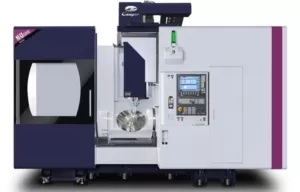
Marine Part Production on VMCs:
High-Speed Machining for Aluminum: Vertical machining centers (VMCs) are ideal for high-speed machining of aluminum, a common material in marine applications. High-speed machining allows for the rapid production of aluminum parts with excellent surface finishes, reducing production times and costs.
Large Part Machining for Hull Components: VMCs are also used for machining large marine components, such as hull sections and frames. Their ability to handle large workpieces makes them essential for CNC marine manufacturing.
Computer Numerical Control (CNC) Lathes:
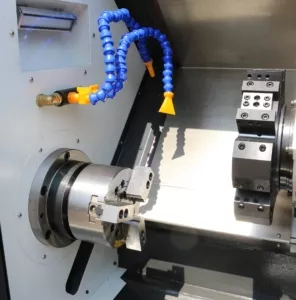
Marine Shaft Turning on CNC Lathes
Live Tooling for Turning and Milling: Live tooling allows CNC lathes to perform both turning and milling operations in a single setup, increasing efficiency and reducing setup times. This capability is particularly useful for machining complex marine shafts that require multiple operations.
Sub-Spindle Operations for Shaft Fabrication: Sub-spindles enable the machining of both ends of a shaft without the need for re-clamping, enhancing precision and reducing cycle times in CNC marine machining.
Cutting Tools for Marine Machining:
Marine-Grade Cutting Tools:
Coated Carbide End Mills: Coated carbide end mills are used for machining marine-grade alloys due to their excellent wear resistance and cutting performance. These tools are ideal for high-speed machining applications, providing long tool life and superior surface finishes.
Diamond-Coated Drills for Composite Materials: Diamond-coated drills are specifically designed for machining composite materials like FRP and CFRP. Their superior hardness and wear resistance make them ideal for cutting through tough, abrasive materials without damaging the fibers.
Part 5:Machining Strategies for Marine Parts
Roughing and Finishing:
Roughing Strategies for Marine Parts
Material Removal Rate Optimization: Optimizing material removal rates during roughing is essential for machining efficiency, especially when working with large marine components. CNC marine machines are programmed to maximize material removal while minimizing tool wear and maintaining precision.
Tool Path Generation for Efficient Roughing: Efficient tool path generation is crucial for reducing cycle times and improving the overall productivity of marine machining processes. CNC technology allows for the creation of optimized tool paths that enhance cutting efficiency.
Finishing Strategies for Marine Parts
Surface Finish Optimization: Achieving the desired surface finish is important for both the performance and aesthetics of marine parts. CNC marine machines provide the precision and control needed to produce high-quality surface finishes that meet industry standards.
Tool Nose Radius Compensation: Tool nose radius compensation helps maintain precision and surface quality during finishing operations, ensuring that marine components meet the required specifications for fit and function.
Part 6:Coolant and Lubrication
Coolant Selection for Marine Materials:
Water-Soluble Coolants for Aluminum: Water-soluble coolants are commonly used when machining aluminum parts due to their excellent cooling properties and ability to prevent chip buildup. These coolants help maintain tool life and improve surface finish during CNC marine machining.
Oil-Based Coolants for Stainless Steel: Oil-based coolants provide superior lubrication and cooling when machining stainless steel, reducing tool wear and preventing work hardening. They are essential for achieving high-quality finishes and extending tool life.
Lubrication Strategies for Reduced Wear:
Lubrication is a critical aspect of CNC marine machining to ensure smooth operation and extend the life of cutting tools and machine components. Proper lubrication reduces friction, minimizes heat generation, and prevents tool wear, which is especially important when machining materials used in marine environments.
- Cutting Tool Coatings for Reduced Friction: Coatings such as titanium nitride (TiN), titanium carbonitride (TiCN), and diamond-like carbon (DLC) are applied to cutting tools to reduce friction and enhance wear resistance. These coatings are particularly useful in marine machining because they help maintain sharp cutting edges and extend tool life, especially when working with tough materials like stainless steel and composites.


Part 7:Assembly and Installation of Marine Parts
Assembly and installation are the final stages of marine component manufacturing, ensuring that all parts are correctly fitted and function as intended.
Marine Part Assembly:
Fastening and Joining Techniques: Marine parts are often assembled using various fastening and joining techniques, such as bolting, welding, and adhesive bonding. These methods must ensure secure connections that can withstand the dynamic loads and corrosive conditions typical of marine environments.
Sealing and Gasketing for Waterproofing: Proper sealing and gasketing are essential to prevent water ingress and ensure waterproofing in marine assemblies. Materials used for seals and gaskets must be resistant to saltwater, UV light, and other environmental factors to maintain their integrity over time.
On-Vessel Installation:
Installation of Marine Machinery and Equipment: The installation of machinery and equipment on vessels involves aligning and securing components to ensure proper operation. This process requires precision and attention to detail to prevent misalignments that could lead to equipment failure or reduced performance.
Why Choose AstroCNC for Marine Machining?
At AstroCNC we specialize in providing high-precision CNC machining services tailored to the marine industry. Our state-of-the-art equipment, including multi-axis milling machines, lathes, and specialized cutting tools, enables us to produce complex marine components with unmatched accuracy and efficiency. Whether you need custom boat parts, high-performance propellers, or robust fittings, AstroCNC has the expertise and technology to deliver high-quality solutions that meet the stringent requirements of marine applications.
Our commitment to quality and innovation ensures that every component we produce is crafted to the highest standards, ensuring optimal performance and durability in even the harshest marine environments. By partnering with AstroCNC, marine companies can benefit from reduced lead times, competitive pricing, and exceptional customer service, making us a trusted partner in the marine industry.
Custom CNC Machining For Your Industries
We provide custom solutions to all our customers and offer free consulting or samples that you can take advantage of.
Leave A Comment