

Table of Contents
Toggle
Part 1: Introduction to Sheet Metal Fabrication Services
Table of Contents
ToggleSheet metal fabrication is a versatile and essential process in modern manufacturing, enabling the creation of a wide range of components from flat metal sheets. At AstroCNC, we provide top-notch sheet metal fabrication services that cater to various industries, including automotive, aerospace, electronics, and construction. We specialize in custom sheet metal, precision sheet metal fabrication, and rapid sheet metal prototyping, offering comprehensive solutions from design to final assembly.
| Sheet Metal Laser Welding |
| Laser Cutting |
| Sheet Metal Bending |
Part 2:Services Offered in Sheet Metal Fabrication
Design:
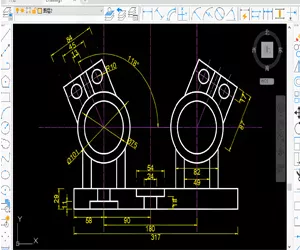
2D CAD Design: Utilizing 2D CAD software allows for creating flat patterns, which are essential for precise cutting and forming operations. This initial design phase focuses on optimizing material use and reducing waste.
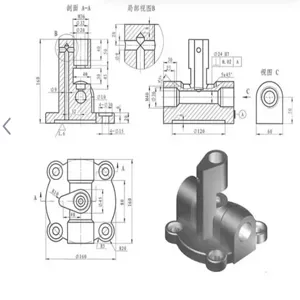
3D CAD Design: 3D CAD modeling provides a comprehensive view of the final product, enabling engineers to simulate the fabrication process and adjust designs for manufacturability. This step is crucial for identifying potential issues before production begins.
Design for Manufacturability (DFM): This approach involves optimizing designs to ensure efficient production while minimizing costs and errors. DFM includes considerations such as material selection, part geometry, and process capabilities to enhance the overall manufacturability of sheet metal parts.
Prototyping:
Rapid Prototyping: Using rapid prototyping techniques, such as laser cutting and CNC machining, allows for the quick creation of prototypes to test form, fit, and function. This step is vital for validating designs before mass production.

Let us transform your product design or idea into reality with Astrocnc’s premier Rapid CNC Prototyping services. Our
Functional Prototyping: Functional prototypes are created to simulate real-world conditions, ensuring that the final product performs as expected. This type of prototyping helps in identifying any design flaws or areas for improvement.
Aesthetic Prototyping: Focusing on the visual and tactile aspects of a product, aesthetic prototyping ensures that the final product meets design expectations in terms of appearance and feel.
Production:
Batch Production: This method involves manufacturing a set quantity of parts in a single production run, suitable for projects with specific volume requirements. Batch production helps in managing inventory and production schedules effectively.
Mass Production: Ideal for high-volume manufacturing, mass production leverages economies of scale to reduce costs and increase efficiency. This approach is suitable for standardized parts that require consistent quality and high output rates.
Just-in-Time (JIT) Production: JIT production focuses on producing parts as needed, minimizing inventory costs and allowing manufacturers to respond quickly to market demand changes.
Assembly:
Welding: Various welding techniques, such as MIG, TIG, and laser welding, are used to join sheet metal parts securely. Welding provides strong and durable joints essential for structural integrity in many applications.
Bolting: Bolting is a common method for assembling sheet metal parts, offering the advantage of easy disassembly and maintenance. This technique is widely used in applications where parts need to be replaced or adjusted frequently.
Riveting: Riveting is another reliable method for joining sheet metal parts, particularly in applications that require high strength and durability. This process involves inserting rivets into pre-drilled holes to secure the parts together.
Finishing:
Powder Coating: This finishing process involves applying a dry powder to the metal surface, which is then cured under heat to create a hard, durable finish. Powder coating provides excellent corrosion resistance and is available in various colors and textures.
Wet Painting: Wet painting involves applying liquid paint to the metal surface, offering a wide range of finishes, including gloss, matte, and metallic. This method is suitable for applications requiring specific aesthetic finishes or protective coatings.
Plating: Plating involves coating the metal surface with a thin layer of another metal, such as nickel or chrome, to enhance corrosion resistance and improve appearance. This process is commonly used in applications that require high wear resistance and a polished finish.
Custom CNC Machining For Your Industries
We provide custom solutions to all our customers and offer free consulting or samples that you can take advantage of.
Part 3:Materials Used in Sheet Metal Fabrication:
| Sheet Metal Clinching |
Waterjet Cutting
Oxy-fuel Cutting
Metals
Steel: Known for its strength and durability, steel is a popular choice for structural and industrial applications. It is available in various grades and can be treated to enhance corrosion resistance.
Aluminum: Lightweight and corrosion-resistant, aluminum is ideal for applications in aerospace, automotive, and electronics industries. Its malleability allows for the creation of complex shapes and profiles.
Copper: Valued for its excellent electrical conductivity and antimicrobial properties, copper is commonly used in electrical and plumbing applications.
Brass: With its good corrosion resistance and attractive appearance, brass is often used in decorative and plumbing fixtures.
Stainless Steel: Offering excellent corrosion resistance and hygienic properties, stainless steel is widely used in food processing, medical devices, and architectural applications.
Alloys
Nickel Alloys: Known for their high strength and resistance to oxidation, nickel alloys are suitable for high-temperature and corrosive environments.
Titanium Alloys: Lightweight yet strong, titanium alloys are used in aerospace, medical implants, and other high-performance applications.
Zinc Alloys: Zinc alloys are commonly used for die-casting applications due to their excellent fluidity and mechanical properties.
Part 3:Processes in Sheet Metal Fabrication
Cutting:
Waterjet Cutting: Waterjet cutting uses a high-pressure stream of water, often mixed with abrasives, to cut through metal. This method is ideal for materials sensitive to heat, as it does not generate significant heat during the cutting process.
Plasma Cutting: Plasma cutting employs an ionized gas stream to cut through electrically conductive materials. It is suitable for cutting thick metal sheets and provides a fast and efficient cutting solution.
Forming:
Bending: Bending involves applying force to a sheet metal workpiece to create an angle or curve. This process can be done using various machines, including press brakes and roll benders.
Rolling: Rolling forms metal sheets into cylindrical or conical shapes using a series of rollers. This process is commonly used to produce pipes, tubes, and other circular sections.
Shearing: Shearing cuts straight lines on flat metal sheets using shear blades. This method is typically used for cutting larger pieces of sheet metal into smaller, more manageable sizes.
Machining:
Milling: Milling removes material from a workpiece using rotary cutters, allowing for the creation of complex shapes and features. This process is widely used in precision sheet metal fabrication.
Drilling: Drilling creates round holes in metal sheets using drill bits. It is often used to prepare holes for fasteners or as part of other fabrication processes.
Tapping: Tapping forms threads inside drilled holes, allowing screws or bolts to be inserted for assembly.
Welding:
Arc Welding: Arc welding uses an electric arc to melt and join metal parts. It is suitable for various metals and thicknesses, providing strong and durable joints.
Resistance Welding: Resistance welding joins metal parts by applying pressure and passing current through the contact point. This method is efficient for high-volume production and is commonly used in automotive manufacturing.
Laser Welding: Laser welding uses a focused laser beam to join metal parts, offering high precision and minimal heat distortion. It is ideal for thin sheets and applications requiring tight tolerances.
Part 5:Equipment Used in Sheet Metal Fabrication
Cutting Equipment
Shears: Shears cut straight lines on metal sheets using mechanical, hydraulic, or pneumatic action. They are ideal for high-volume cutting of large metal sheets.
Lasers: Laser cutters use focused beams of light to cut precise shapes from sheet metal. They are available in various types, including CO2 and fiber lasers, each suited for different materials and thicknesses.
Plasma Cutters: Plasma cutters use a high-temperature plasma arc to cut through conductive materials. They are efficient for cutting thicker metal sheets and offer high cutting speeds.
Waterjets: Waterjet cutters utilize a high-pressure stream of water mixed with abrasives to cut through various materials, including metals. This cutting method is particularly suitable for heat-sensitive materials as it does not produce significant heat, thus avoiding thermal distortion and maintaining the material’s structural integrity.
Forming Equipment
Press Brakes: Press brakes are essential tools in sheet metal fabrication, used to bend metal sheets into various shapes. These machines apply force to a sheet metal workpiece to create precise bends. Modern press brakes often feature CNC controls for enhanced accuracy and repeatability, making them suitable for high-precision applications.
Roll Forming Machines: Roll forming machines are used to continuously bend long strips of metal into desired cross-sectional profiles. This equipment is highly efficient for producing large quantities of uniform shapes, such as channels, angles, and tubes, and is commonly used in the construction and automotive industries.
Stamping Presses: Stamping presses are used to form or cut metal sheets into specific shapes through the application of high pressure. This equipment is ideal for high-volume production runs, making it a staple in industries that require large quantities of parts, such as automotive and consumer goods.
Welding Equipment
Cutting Machines: Shears and laser cutters are widely used for cutting sheet metal. Shears are effective for straight cuts in high-volume operations, while laser cutters provide precision for intricate shapes and are ideal for materials that require clean edges and minimal deformation.
Laser Cutters: Laser cutters use focused beams to cut through materials with high precision. This method is suitable for both thin and thick metals and can produce complex shapes with excellent accuracy.
Plasma Cutters: These devices use a plasma arc to cut electrically conductive materials. Plasma cutters are efficient and versatile, making them suitable for a wide range of thicknesses and materials.
Waterjet Cutters: Waterjet cutters use a high-pressure stream of water, sometimes mixed with abrasives, to cut through metals without generating heat. This method is excellent for cutting metals that are sensitive to temperature changes, ensuring no thermal distortion occurs during the cutting process.
Part 6:Quality Control in Sheet Metal Fabrication
imensional Accuracy:
Tolerances: Maintaining precise tolerances is critical in sheet metal fabrication to ensure parts fit together correctly in assemblies. Tolerance requirements vary depending on the application but generally adhere to industry standards such as ISO 2768. This standard helps ensure consistent quality and performance across different production batches.
Roundness: Ensuring roundness in cylindrical components is crucial for proper function and assembly. This quality control aspect involves measuring the deviation from the ideal round shape to detect any irregularities
Surface Finish:
Ra (Roughness Average): Ra is a measurement of the average surface roughness of a fabricated part. Achieving the desired Ra value is essential for applications requiring specific surface qualities, such as smoothness for aesthetic purposes or to reduce friction.
Rz (Average Maximum Height of the Profile): Rz measures the average maximum height between the highest peak and lowest valley in a given surface area. This metric is crucial for applications that require a specific texture or for surfaces that will be painted or coated.
Defect Detection:
Visual Inspection: This basic method involves inspecting the surface of fabricated parts for visible defects such as scratches, dents, or deformations. Visual inspection is typically the first step in quality control and helps identify obvious issues quickly.
Ultrasonic Testing: Ultrasonic testing is a non-destructive testing method that uses high-frequency sound waves to detect internal defects in sheet metal components. This method is effective for identifying hidden flaws that could compromise the strength or durability of the part.
Part 7:Challenges in Sheet Metal Fabrication
Material Handling: Managing and handling sheet metal safely and efficiently is crucial to prevent damage and ensure the safety of workers. Proper training and equipment are necessary to handle large and heavy metal sheets.
Quality Control: Maintaining high quality across various processes and materials requires strict adherence to standards and continuous monitoring. This ensures that fabricated parts meet the required specifications and performance criteria.
Tool Wear: The tools used in sheet metal fabrication are subject to wear and tear, especially when working with hard materials or producing high volumes. Regular maintenance and timely replacement of tools are essential to maintain precision and efficiency.
Complexity of Designs: Fabricating intricate designs can be challenging and may require specialized equipment and expertise. Complex shapes and features often increase production time and costs, necessitating careful planning and execution.
Conclusion About Sheet Metal Fabrication Services
Sheet metal fabrication is a vital process in modern manufacturing, providing the ability to create a wide range of parts and components for diverse applications. From design and prototyping to production and finishing, sheet metal fabrication services offer comprehensive solutions that meet the unique needs of each project. At AstroCNC, we are committed to delivering high-quality sheet metal fabrication services with precision, efficiency, and attention to detail. Whether you need custom metal stamping, precision sheet metal fabrication, or rapid prototyping sheet metal, our expertise and advanced equipment ensure that every project is completed to the highest standards of quality and performance. Contact us today to learn how we can support your manufacturing needs with our state-of-the-art sheet metal fabrication capabilities.
Leave A Comment