

AstroCNC CNC Machining Services
Are you seeking a trusted partner for precision CNC milling services in China? Look no further than AstroCNC!
Let us transform your product design or idea into reality with Astrocnc’s premier CNC milling services. Our expertise covers a wide range of designs in both metals and plastics
Equipped with advanced five multi-axis milling machines, our skilled engineers and machinists ensure precise results from the outset. A dedicated quality control team rigorously tests every CNC machined part to meet your exact specifications and industry standards.
Astrocnc’s comprehensive CNC milling services complement our full suite of manufacturing and finishing capabilities, delivering a holistic solution for your product development needs.”
Custom CNC Machining For Your Industries
We provide custom solutions to all our customers and offer free consulting or samples that you can take advantage of.
Table of Contents
TogglePart 1: Introduction to Die Casting Services
Die casting is a vital manufacturing process that produces high-precision metal parts by forcing molten metal into a mold under high pressure. This method is renowned for its ability to create complex shapes with excellent surface finish and dimensional accuracy, making it essential in industries such as automotive, aerospace, electronics, and consumer goods. At AstroCNC, we offer comprehensive die casting services tailored to meet the diverse needs of our clients, ensuring quality and precision in every component we produce.
Part 2:Types of Die Casting
Gravity Die Casting:
Overview: Gravity die casting involves filling a mold with molten metal using gravity alone. This process is ideal for simpler geometries and is widely used for producing robust parts with good mechanical properties.
Applications: It’s commonly employed in the automotive industry for components like engine blocks and gearboxes, where strength and durability are paramount.
Pressure Die Casting:
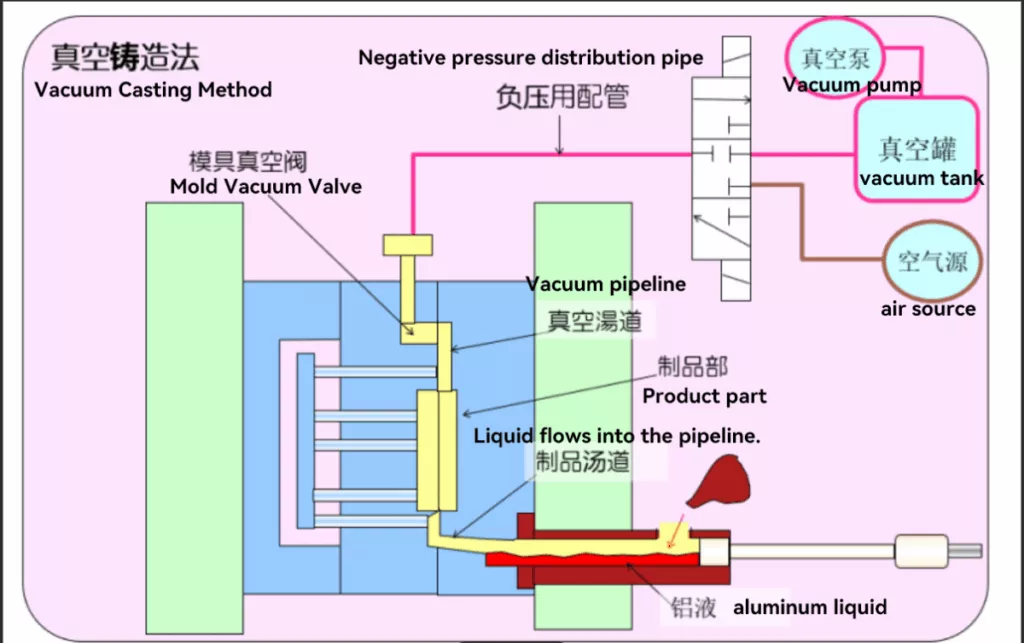
Cold Chamber Die Casting: This method is primarily used for metals with high melting points, such as aluminum and copper alloys. The process involves manually ladling molten metal into a cold chamber, where it is then injected into the mold under high pressure. At AstroCNC, our aluminum die casting services leverage this technique to produce high-strength, lightweight parts for automotive and aerospace applications.
Hot Chamber Die Casting: Suitable for metals like zinc and magnesium, hot chamber die casting integrates the melting process within the casting machine itself. This allows for faster cycles and is ideal for high-volume production of small to medium-sized components, such as connectors and housings.
Squeeze Die Casting: This technique combines die casting with forging, enhancing the mechanical properties of the parts by reducing porosity and improving density. It’s particularly beneficial for automotive structural components like suspension parts.
Semi-Solid Metal Casting: Also known as thixoforming, this process involves casting metals that are in a semi-solid state. This allows for greater precision and reduced shrinkage, making it ideal for complex components that require tight tolerances and excellent surface finishes.
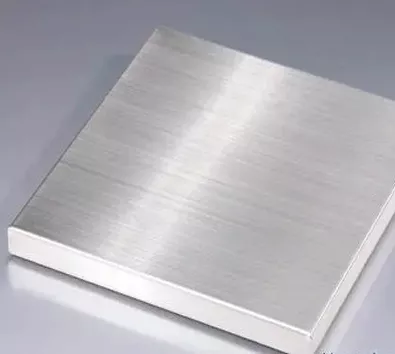
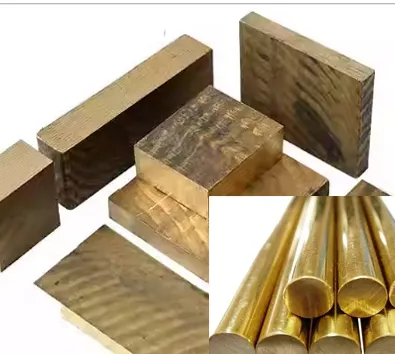
Part 3:Materials Used in Die Casting:
Benefits: Aluminum is lightweight, corrosion-resistant, and has excellent thermal conductivity, making it ideal for a wide range of applications, from automotive engine components to consumer electronics.
Specialty: At AstroCNC, we offer a380 aluminum heat treatment services, ensuring optimal material properties for high-stress applications.
Advantages: Zinc is known for its excellent fluidity, allowing the production of intricate, thin-walled parts with high precision and durability.
Applications: Used extensively in hardware, automotive components, and electronic housings.
Properties: Magnesium alloys are among the lightest structural materials, offering a great balance between weight and strength. They are used in applications where reducing weight is crucial, such as in aerospace and portable electronics.
Challenges: Magnesium requires careful handling due to its reactivity, but AstroCNC has the expertise to manage this material effectively.
Strengths: Copper is known for its exceptional thermal and electrical conductivity, as well as its strength and resistance to corrosion. It is often used in electrical components and plumbing systems where durability and performance are critical
Custom CNC Machining For Your Industries
We provide custom solutions to all our customers and offer free consulting or samples that you can take advantage of.
Part 4:The Die Casting Process:
Mold Preparation:
Mold Coating: Applying a coating to the mold helps in extending its life and improving the quality of the casting by ensuring smooth metal flow.
Mold Heating: Preheating the mold is essential to minimize thermal shock and to ensure that the molten metal fills the cavity evenly, reducing the risk of defects.
Molten Metal Preparation:
Melting: The metal is melted in specialized furnaces, such as induction or reverberatory furnaces, which offer precise temperature control to ensure the quality of the molten metal.
Alloying: Specific alloying elements are added to enhance the metal’s properties, such as strength, ductility, and corrosion resistance.
Die Filling:
Plunger Injection: In high-pressure die casting, a plunger forces the molten metal into the mold at high speed, ensuring that even the most intricate details are filled. This method is ideal for producing parts with complex geometries.
Gravity Pouring: This method is used in gravity die casting, where molten metal is poured into the mold cavity under the influence of gravity alone. It’s best suited for simpler, thicker parts.
Solidification:
Heat Transfer: Rapid cooling of the molten metal within the die is crucial for achieving the desired mechanical properties and preventing defects such as porosity.
Shrinkage Compensation: Techniques are employed to counteract the natural shrinkage of metal during solidification, ensuring that the final part meets the exact dimensional specifications
Part Ejection:
Mechanical Ejection: After the part solidifies, ejector pins or mechanical devices are used to remove it from the mold.
Pneumatic Ejection: In cases where parts are delicate or complex, air pressure may be used to gently eject them from the mold.
Part 5:Die Casting Equipment
Die Casting Machines
Vertical and Horizontal Machines: At AstroCNC, we utilize both vertical and horizontal die casting machines, each suited to different types of parts and production volumes. These machines are equipped with advanced controls to ensure precision and repeatability in every casting.
Furnaces
Induction Furnaces: Known for their energy efficiency and rapid melting capabilities, induction furnaces are used to melt the metal before it is transferred to the die casting machine.
Reverberatory Furnaces: These are used in large-scale operations to melt large volumes of metal continuously, ensuring a steady supply for high-volume production runs.
Trimming Presses
Function: Once the part is ejected, it undergoes trimming to remove excess material such as flash, sprue, and runners. This step is crucial for ensuring the part meets the required specifications and is ready for any additional finishing processes.
Robotic Systems
Automation: Robots are integrated into our die casting operations to perform tasks such as material handling, part ejection, and finishing, enhancing precision, reducing cycle times, and improving overall efficiency
Part 6:Quality Control in Die Casting
Dimensional Accuracy
Precision: Every part produced at AstroCNC is rigorously inspected to ensure it meets strict dimensional tolerances. This is achieved through the use of advanced measurement tools like coordinate measuring machines (CMMs).
Surface Finish:
Techniques: Depending on the application, parts can be finished to achieve smooth, textured, or mirror-like surfaces. Post-casting processes such as grinding and polishing are often employed to enhance the surface finish. And for more details about the finish in CNC fields, pls check:

Mechanical Properties:
Testing: Parts undergo mechanical testing to verify properties such as tensile strength, yield strength, and ductility, ensuring they meet the required performance standards for their intended application.
Defect Detection:
Visual Inspection: Initial checks are conducted to identify any obvious surface defects.
X-Ray Inspection: Advanced X-ray techniques are used to detect internal defects such as porosity or cracks that could compromise the part’s integrity.
Ultrasonic Inspection: This method is employed to detect subsurface defects in critical parts, ensuring they meet the highest standards of quality
Part 7:Applications of Die Casting
Components: Die casting is extensively used in the automotive industry for producing components such as engine blocks, transmission cases, and structural parts that require both strength and light weight.
Electronics
Uses: Die casting is ideal for manufacturing electronic housings, connectors, and heat sinks due to the excellent thermal and electrical properties of the materials used, such as aluminum and zinc.
Critical Parts: The aerospace industry relies on die casting for lightweight, high-strength components such as brackets and housings, which are essential for reducing the weight of aircraft while maintaining structural integrity.
Consumer Goods
Production: Many consumer products, including appliance parts, tools, and hardware, are produced using die casting due to its ability to create complex shapes quickly and cost-effectively.
Part 8:Advantages of Die Castingspan>
High Production Rates:
Efficiency: Die casting allows for the rapid production of large quantities of parts, making it ideal for mass production where consistency and speed are critical.
Tight Tolerances
Precision: The process is capable of producing parts with very tight tolerances, reducing the need for additional machining and ensuring that the parts fit perfectly in their final assemblies.
Complex Geometries
Design Flexibility: Die casting can produce parts with intricate designs and detailed features that would be difficult or impossible to achieve with other manufacturing methods.
Cost-Effectiveness
Economical: Despite the high initial cost of tooling, the efficiency and low material waste make die casting a cost-effective solution for large-scale production.
Part 9:Challenges in Die Casting
High Initial Investment
Tooling Costs: The design and production of dies are among the most significant expenses in die casting. Creating a mold requires highly specialized knowledge and materials, and the upfront costs can be substantial. This investment is particularly high when producing complex molds or when frequent design changes are necessary. These costs can be a barrier for small and medium-sized businesses but are offset over large production runs due to the efficiency of the process.
Tooling Complexity
Design Challenges: The complexity of die casting molds, or dies, presents a significant challenge. These molds must be designed to accommodate the flow of molten metal, cooling rates, and the ejection of the finished part. The design must also consider factors like thermal expansion, which can cause the die to warp over time, leading to inaccuracies in the final product. Maintaining and repairing these molds requires a high level of expertise, making the process both challenging and costly.
Environmental Concerns
Sustainability: Die casting is an energy-intensive process that produces waste materials, such as excess metal (flash), which must be managed responsibly. Additionally, the use of certain metals and the emissions from the melting and casting processes can have environmental impacts. Modern die casting facilities, like those at AstroCNC, are increasingly focused on sustainability by implementing energy-efficient processes, recycling waste materials, and adhering to strict environmental regulations to minimize their ecological footprint.
Skill Requirements
Expertise Needed: Operating and maintaining die casting machines, as well as designing and producing the dies, requires a high level of technical skill. Skilled engineers and machinists are needed to ensure that the process runs smoothly and that the dies are properly maintained to avoid costly downtime. Training and retaining skilled workers is a significant challenge in the industry, particularly as the technology and techniques used in die casting continue to evolve
Part 10:Industry Standards for Die Casting
NADCA Standards
Product Specification Standards: The North American Die Casting Association (NADCA) sets stringent standards for die casting, ensuring that parts meet specific criteria for quality and performance. These standards cover aspects like dimensional accuracy, mechanical properties, and surface finish, helping manufacturers produce parts that meet the high demands of industries like automotive and aerospace.
Safety Standards: NADCA also provides guidelines to ensure the safety of workers in die casting facilities. These standards address issues such as the safe handling of molten metals, the maintenance of machinery, and the prevention of accidents, which are critical in environments where high temperatures and heavy machinery are involved(
rapiddirect.
ISO Standards
ISO 9001 Quality Management: Many die casting facilities, including AstroCNC, adhere to ISO 9001 standards, which ensure that quality management systems are in place. This standard helps maintain consistency in production, ensuring that all parts meet customer specifications and are free from defects.
ISO 14001 Environmental Management: As environmental concerns become increasingly important, die casting companies are also adopting ISO 14001 standards. This standard focuses on minimizing environmental impact through better resource management, waste reduction, and adherence to environmental laws and regulations.



Conclusion about Die Casting Services
Die casting is a cornerstone of modern manufacturing, offering the ability to produce complex, high-precision metal parts efficiently and cost-effectively. However, the process comes with its own set of challenges, including high initial investments, the complexity of tooling, environmental concerns, and the need for skilled labor. Despite these challenges, die casting remains an indispensable technology in industries such as automotive, aerospace, and electronics, where quality and precision are paramount.
At AstroCNC, we are committed to overcoming these challenges through innovation, skilled craftsmanship, and adherence to the highest industry standards. Whether you’re in need of aluminum casting services or require the expertise of a top die casting company for your next project, AstroCNC has the tools, technology, and expertise to bring your designs to life with unparalleled precision and quality. Contact us today to learn more about how our comprehensive die casting services can meet your manufacturing needs.
Examples of Predictive Maintenance Trends
Several trends showcase the role of predictive maintenance in CNC machining:
Smart Sensors: These sensors collect real-time data on machine performance. They detect anomalies and predict potential failures, allowing for timely interventions.
Data Analytics: Advanced analytics tools process the data collected by sensors. These tools provide insights into machine health and maintenance needs.
Remote Monitoring: Remote monitoring systems enable technicians to oversee machine performance from anywhere. This capability ensures quick responses to any issues.
Scheduled Maintenance: Predictive maintenance schedules regular check-ups based on data insights. This approach prevents unexpected breakdowns and extends machine lifespan.
Leave A Comment