

Aluminium extrusion is a versatile and widely used process in manufacturing, creating custom shapes and profiles with high precision. At AstroCNC, we specialize in providing comprehensive aluminium extrusion services, utilizing advanced technology to meet diverse industry needs. Our capabilities range from designing and creating custom aluminum extrusions to delivering high-quality finished products for various applications.
Table of Contents
Toggle
Part 1: Introduction to Aluminium Extrusion Services
Table of Contents
ToggleAluminium extrusion is a manufacturing process where a heated aluminium billet is forced through a die to create profiles with a specific cross-sectional shape. This process leverages aluminium’s excellent strength-to-weight ratio, corrosion resistance, and versatility, making it ideal for a wide range of applications across industries such as construction, automotive, aerospace, and electronics.
Part 2:The Aluminium Extrusion Process
Billet Preparation:
Homogenization: This process involves heating the aluminium billets to ensure a uniform microstructure and improved extrusion quality. Proper homogenization enhances the material’s extrudability and ensures consistent properties throughout the billet.
Scalping: Before extrusion, the billets are scalped to remove surface impurities and defects, which helps in achieving a high-quality surface finish on the final extruded product..
Container and Die:
Container Design: The container holds the billet as it is pushed through the die. Its design is crucial in maintaining the temperature and pressure required for consistent extrusion.
Die Design: The die determines the final shape of the extruded profile. Die design involves considerations such as material flow, die wear, and the cooling process to ensure precision and quality in the extruded shapes.
Extrusion Techniques:
Direct Extrusion: In this process, the billet is pushed through a stationary die, allowing for the production of various shapes and profiles.
Indirect Extrusion: Here, the die moves through the stationary billet, reducing friction and the force required, which is advantageous for creating complex profiles.
Impact Extrusion: Used to create thin-walled or hollow sections, impact extrusion is a high-speed process that produces components with high precision and excellent surface finishes.
Custom CNC Machining For Your Industries
We provide custom solutions to all our customers and offer free consulting or samples that you can take advantage of.
Part 3: Types of Aluminium Alloys Used in Extrusion:
Wrought Alloys
1xxx Series: High-purity aluminium with excellent corrosion resistance and electrical conductivity, commonly used in electrical applications.
2xxx Series: Aluminium-copper alloys known for their high strength, making them ideal for aerospace and automotive applications.
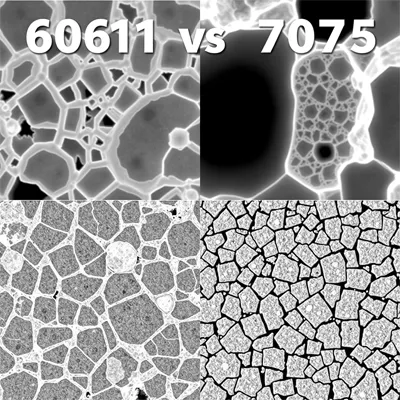
6xxx Series: Aluminium-magnesium-silicon alloys offering a good balance of strength, corrosion resistance, and machinability, widely used in structural and architectural applications.
7xxx Series: High-strength aluminium-zinc alloys used in high-performance applications such as aerospace.
Cast Alloys
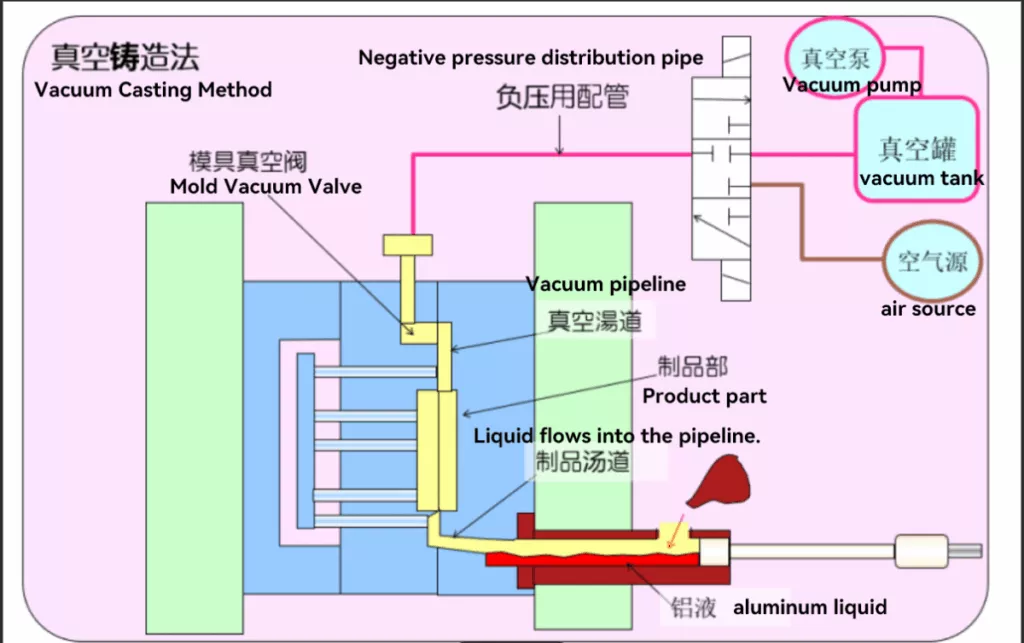
A380 Alloy: Known for its excellent fluidity and pressure tightness, widely used in die-casting applications.
A413 Alloy: Offers superior corrosion resistance and is often used in hydraulic cylinders and engine components.
A356 Alloy: Provides a good balance of strength and ductility, making it suitable for automotive and aerospace components.
Part 4:Aluminium Extrusion Equipment
Extrusion Press:
Horizontal Extrusion Press: Ideal for producing longer and larger profiles, commonly used in most extrusion applications.
Vertical Extrusion Press: Used for precision extrusions with tight tolerances, suitable for specialized applications requiring high accuracy.
Billet Heater
Induction Heater: Provides efficient heating of aluminium billets, ensuring uniform temperature and reducing energy consumption.
Resistance Heater: Allows for precise temperature control, essential for smaller-scale or specialized extrusion processes.
Quenching System
A quenching system rapidly cools the extruded profiles to enhance their mechanical properties, meeting specific temper requirements.
Part 5:Properties of Extruded Aluminium
Mechanical Properties
Tensile Strength: The resistance of extruded aluminium to breaking under tension, important for structural applications.
Yield Strength: Indicates the stress at which aluminium begins to deform plastically, crucial for load-bearing applications.
Elongation: The ability of aluminium to stretch before breaking, essential for applications requiring flexibility and ductility.
Thermal Properties
Thermal Conductivity: Aluminium’s efficiency in conducting heat makes it ideal for heat exchangers and thermal management systems.
Coefficient of Thermal Expansion: The rate at which aluminium expands or contracts with temperature changes, significant in applications requiring thermal stability.
Electrical Properties
Electrical Conductivity: Aluminium’s high electrical conductivity makes it suitable for electrical transmission lines and connectors.
Resistivity: Resistance to electrical flow, affecting the efficiency of electrical components made from aluminium.
Part 6:Applications of Aluminium Extrusion Services
Building and Construction
Curtain Walls: Extruded aluminium profiles are extensively used in curtain wall systems for modern buildings due to their strength, lightweight, and corrosion resistance.
Window Frames: Aluminium extrusions provide durable, low-maintenance solutions for window and door frames.
Railings and Balustrades: Utilization of aluminium profiles in architectural elements like railings for both indoor and outdoor applications.
Chassis and Body Components: Lightweight yet strong aluminium extrusions improve fuel efficiency and reduce vehicle weight.
Heat Exchangers: Aluminium’s high thermal conductivity makes it ideal for heat exchangers in automotive cooling systems.
Structural Components: High-strength aluminium extrusions are used in aircraft frames and other structural parts.
Fuselage and Wing Structures: Aluminium’s lightweight properties help reduce the overall weight of aircraft, improving fuel efficiency.
Electronics and Electrical:
Heat Sinks: Aluminium extrusions are widely used in electronics for thermal management due to their excellent thermal conductivity.
Enclosures and Housings: Custom extruded profiles are used for protective housings in electronic devices.
Consumer Goods:
Furniture and Appliances: Durable and lightweight aluminium extrusions are used in the design of modern furniture and household appliances.
Sports Equipment: Aluminium’s strength and lightweight properties make it ideal for various sports equipment, including bicycle frames and tennis rackets.
Part 7: Machining Processes for Extruded Aluminium
Circular Saws: Used for precise cuts in long extrusions, essential for preparing materials for further processing.
Band Saws: Ideal for straight and contour cutting, allowing flexibility in shaping extruded profiles.
Twist Drills: Commonly used for creating round holes in aluminium, suitable for high-precision applications.
Indexable Inserts: Offer higher production rates and reduced tool wear, ideal for repetitive drilling tasks.
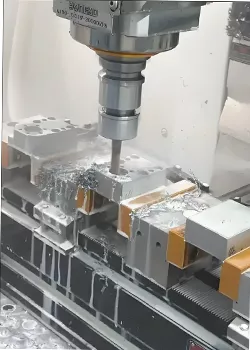
End Mills: Used for creating complex shapes and profiles in aluminium extrusions, providing high precision and surface finish.
Face Mills: Suitable for surface finishing and achieving flatness on aluminium parts.
End Mills: Used for creating complex shapes and profiles in aluminium extrusions, providing high precision and surface finish.
Face Mills: Suitable for surface finishing and achieving flatness on aluminium parts.
Part 8:Tooling and Fixtures in Aluminium Extrusion
Cutting Tools
Geometry: The design of cutting tools plays a crucial role in achieving effective cutting and high-quality finishes.
Coatings: Enhancements such as coatings on cutting tools improve tool life and performance in machining aluminium.
Workholding
Chucks: Used to hold workpieces securely during machining, ensuring stability and precision.
Collets: Provide secure clamping for smaller or precision parts, essential for high-precision machining.
.
Coolant Systems
Flood Cooling: Used for heavy-duty machining to prevent overheating and ensure a smooth cutting process.
Minimum Quantity Lubrication (MQL): Efficient cooling and lubrication with minimal waste, ideal for eco-friendly machining operations.
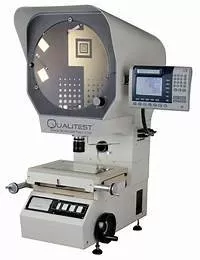
Part 9:Quality Control in Aluminium Extrusion
Dimensional Accuracy:
Tolerances: Ensuring that extruded profiles meet exact dimensional specifications through advanced measurement techniques.
Roundness: Maintaining precision in circular components, crucial for ensuring proper fit and function in assemblies.
Surface Finish
Ra: Measurement of average surface roughness, important for applications requiring smooth finishes.
Rz: Maximum height of the profile, indicating surface texture quality.
Defect Detection
Visual Inspection: Initial checks for surface defects to ensure the quality of extruded profiles.
Ultrasonic Testing: Non-destructive testing for internal defects, ensuring the integrity of extruded aluminium products.
Part 10:Advantages of Aluminium Extrusion Services
Lightweight and Strong: Aluminium’s low density and high strength-to-weight ratio make it ideal for applications where weight savings are crucial.
Corrosion Resistance: The natural oxide layer provides excellent protection against corrosion, extending the lifespan of aluminium products.
Versatility: The ability to create complex shapes and profiles makes aluminium extrusions suitable for a wide range of applications.
Sustainability: Aluminium is 100% recyclable, reducing environmental impact and promoting sustainable manufacturing practices.
Part 11:Challenges in Aluminium Extrusion
Material Quality and Consistency:
One of the primary challenges in aluminium extrusion is ensuring the quality and consistency of the raw materials, specifically the aluminium billets. Variations in the chemical composition, impurities, or physical defects such as cracks and inclusions can significantly impact the quality of the extruded products. This variability can lead to defects in the final products, including surface imperfections, structural weaknesses, and dimensional inconsistencies. To mitigate these issues, rigorous quality control measures are essential, starting with thorough inspections of the billets to ensure they meet the required standards for composition and quality.
Die Design and Maintenance:
The design and condition of the extrusion die are critical factors affecting product quality. Poorly designed or worn dies can lead to various defects, such as irregular surface finishes, shape distortions, and internal voids. Maintaining the dies through regular inspections and timely repairs is crucial to prevent these issues. However, die maintenance can be costly and time-consuming, posing a challenge for manufacturers aiming to maintain high production efficiency.
Process Control:
Maintaining precise control over the extrusion process parameters, including temperature, pressure, and extrusion speed, is vital for producing high-quality aluminium profiles. Fluctuations in these parameters can result in defects like uneven surface finishes, dimensional inaccuracies, or internal stresses that affect the mechanical properties of the extruded profiles. Advanced monitoring and control systems are necessary to ensure consistent process conditions and product quality.
Inspection and Quality Assurance:
Post-extrusion inspection is another challenge in aluminium extrusion, especially in large-scale production settings. Detecting defects such as internal cavities, which may not be visible on the surface, often requires non-destructive testing methods like ultrasonic testing. Comprehensive quality assurance programs, including dimensional checks, surface finish evaluations, and mechanical property testing, are essential to ensure that the extruded products meet the specified requirements.
Tooling Costs and Maintenance:
The initial cost of tooling, particularly for custom profiles, can be significant. Additionally, the wear and tear on tools and dies during the extrusion process necessitate regular maintenance and occasional replacement, adding to the operational costs. Manufacturers must balance these costs with the need to maintain high production quality and efficiency.
Conclusion about Aluminium Extrusion Services
Aluminium extrusion is a versatile and efficient manufacturing process that offers numerous advantages, including the ability to produce complex profiles with excellent mechanical properties and surface finishes. However, the process also presents several challenges, such as ensuring material quality, maintaining die integrity, controlling process parameters, and managing tooling costs. At AstroCNC, we address these challenges through stringent quality control measures, advanced process monitoring, and regular maintenance of equipment and tooling. By leveraging our expertise and state-of-the-art technology, we provide high-quality aluminium extrusion services that meet the diverse needs of industries ranging from automotive and aerospace to construction and electronics.
AstroCNC is committed to delivering superior custom aluminum extrusions, ensuring that each product meets the highest standards of quality and performance. Contact us today to learn more about how our extrusion capabilities can support your next project with precision and reliability.
Custom CNC Machining For Your Industries
We provide custom solutions to all our customers and offer free consulting or samples that you can take advantage of.
Leave A Comment